Rising Demand for Convenience and Food Safety Drives Market Growth
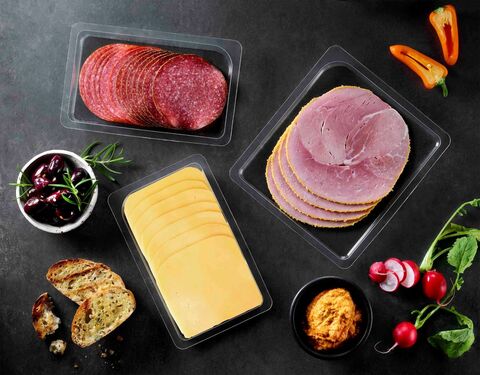
The global rigid food packaging market is witnessing steady expansion as consumers increasingly prefer safe, durable, and convenient food packaging solutions. Valued at USD 231.19 billion in 2024, the market is projected to reach USD 354.25 billion by 2034, growing at a CAGR of 4.4%. The rise in processed and ready-to-eat food consumption, coupled with rapid urbanization and changing lifestyles, is significantly boosting demand for rigid packaging formats such as bottles, trays, jars, cartons, and metal cans. These packaging solutions provide superior protection against contamination, moisture, and oxygen, helping maintain food quality and shelf life.
Global Food Trade and E-commerce Accelerate Packaging Demand
The expansion of international food trade and the rapid growth of e-commerce are emerging as major growth drivers for the rigid food packaging industry. With global food trade reaching nearly USD 1.7 trillion, food manufacturers are increasingly relying on strong and tamper-resistant packaging solutions capable of protecting products during long transportation cycles and complex supply chains. Additionally, the rising popularity of convenience foods, frozen meals, and packaged grocery products is increasing the need for packaging that offers portability, durability, and product freshness.
Sustainability Trends Reshape Packaging Material Choices
Plastic continues to dominate the rigid food packaging market due to its lightweight properties, cost efficiency, and manufacturing flexibility. However, growing environmental concerns and stricter regulations surrounding plastic waste are encouraging manufacturers to adopt sustainable alternatives such as paperboard, glass, and bio-based materials. Companies are increasingly investing in recyclable and mono-material packaging solutions that align with circular economy goals and consumer demand for environmentally responsible packaging. This sustainability-driven transition is creating new opportunities for innovation across the packaging sector.
Technological Advancements Enhance Packaging Efficiency
Technological innovation is transforming the rigid food packaging landscape through the adoption of artificial intelligence, automation, and digital printing technologies. AI-driven packaging design and predictive maintenance systems are improving manufacturing efficiency while reducing operational costs and material waste. At the same time, innovations such as resealable closures, microwave-safe containers, and ergonomic packaging designs are enhancing consumer convenience. Smart packaging solutions are becoming increasingly important as brands focus on delivering improved user experiences while maintaining product safety and quality.
Asia Pacific Leads Market Expansion
Regionally, Asia Pacific dominates the rigid food packaging market, supported by strong urbanization, rising disposable incomes, and growing packaged food consumption in countries such as China and India. Meanwhile, North America and Europe continue to witness strong demand due to advanced food processing industries and strict food safety regulations. Although environmental concerns and fluctuating raw material costs remain challenges, the market outlook remains positive as companies increasingly focus on sustainable innovation, smart packaging technologies, and strategic collaborations to strengthen their global presence.
Future Outlook
The future of the rigid food packaging market remains highly promising as food safety, convenience, sustainability, and product protection continue to influence consumer purchasing decisions worldwide. Industry participants are focusing on advanced material development, smart packaging technologies, automation, and strategic partnerships to strengthen their market presence and address evolving consumer expectations.
As global food consumption patterns continue to evolve, the rigid food packaging industry is expected to play a crucial role in ensuring safe, efficient, and sustainable food distribution across international markets, creating substantial opportunities for stakeholders throughout the chemicals and materials sector.
Polaris Market Research