Introduction
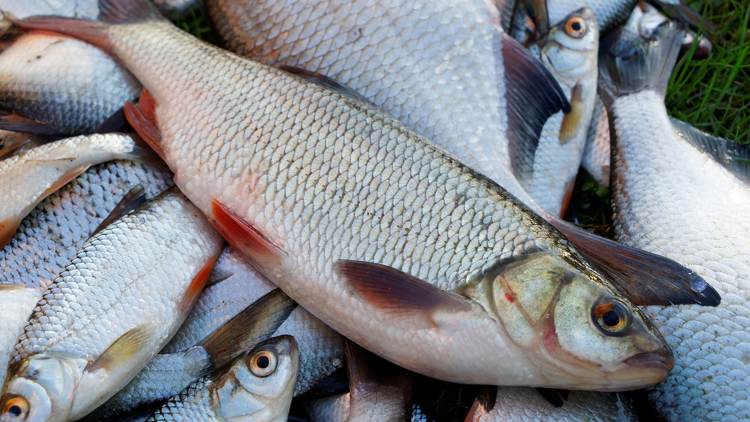
The global fisheries sector produces millions of tonnes of waste every year, amounting to nearly half of the total fish mass. In the past, these leftovers were simply discarded or used for low-value purposes such as animal feed. Today, research has uncovered that fish by-products are rich in valuable bioactive compounds with promising pharmaceutical potential. Among these, their natural anti-cancer properties are receiving special attention because they offer low toxicity and come from a sustainable source. Turning fish waste into medicine not only supports environmental conservation but also opens new opportunities for medical innovation.
Bioactive Compounds in Fish Waste
Various components found in fish processing waste have proven pharmacological benefits:
Collagen and Gelatin: Extracted from the skin and scales, these enhance immune response and help repair body tissues—functions that are particularly useful during cancer recovery.
Chitosan: A natural biopolymer derived from scales, chitosan is widely explored as a carrier for anti-cancer drugs because it improves their delivery and absorption.
Omega-3 Fatty Acids (EPA and DHA): These essential fats have strong anti-inflammatory and anti-tumor effects and play a role in reducing the risk of cancers such as colon, breast, and prostate cancer.
Bioactive Peptides: Produced through the controlled breakdown of fish proteins, these short chains of amino acids can inhibit cancer cell growth and trigger their destruction.
All these compounds are biodegradable, safe for the human body, and can be sustainably extracted from materials that would otherwise go to waste.
How These Compounds Help Fight Cancer
Fish-derived compounds support cancer prevention and treatment through several mechanisms:
Triggering Apoptosis: Bioactive peptides from fish proteins can activate programmed cell death in cancerous cells.
Preventing Tumor Growth: Omega-3 fatty acids slow down angiogenesis—the formation of new blood vessels that tumors rely on for growth.
Enhancing Drug Delivery: Chitosan-based nanoparticles help deliver medicines directly to cancer cells while minimizing side effects in healthy tissues.
Supporting the Immune System: Collagen peptides improve immune regulation, helping the body recognize and fight cancer cells more effectively.
Extraction and Processing Technologies
Enzymatic hydrolysis: Enzymatic hydrolysis uses specific enzymes to break down fish waste proteins into smaller bioactive peptides. These peptides often possess antioxidant, antimicrobial, antihypertensive, or anti-inflammatory properties. The process is mild, efficient, and preserves the functional quality of the compounds, making it valuable for developing nutraceuticals and functional foods.
Supercritical CO2 extraction: Supercritical CO2 extraction is an advanced, solvent-free technique that isolates omega-3 fatty acids such as EPA and DHA from fish waste. Using high pressure and controlled temperature, CO2 becomes a supercritical fluid that efficiently dissolves and extracts lipids while maintaining their purity and stability. This method produces high-quality oils suitable for pharmaceuticals and health supplements.
Nanoparticle formulation: Chitosan extracted from fish shell waste can be converted into nanoparticles that carry and release drugs in a controlled, targeted manner. These nanoparticles enhance the stability, absorption, and bioavailability of therapeutic compounds. Their biocompatibility and biodegradability make chitosan-based nanocarriers ideal for modern drug delivery systems.
Fermentation techniques: Fermentation employs beneficial microbes to transform fish waste into enriched bioactive extracts. During this process, microorganisms break down complex molecules, increasing the availability of antioxidants, peptides, and other therapeutic compounds. Fermented extracts often show enhanced anti-cancer, anti-inflammatory, and antimicrobial potential, making them valuable for pharmaceutical and nutraceutical applications.
These methods ensure efficient recovery while preserving the biological quality of the compounds, making them suitable for medical applications.
Medical and Economic Benefits
Using fish waste for developing medical-grade bioactive compounds benefits both the healthcare sector and the fisheries industry. Economically, it increases the value of discarded materials and creates new income opportunities for coastal communities. From a medical standpoint, it supports the discovery of marine-derived drugs that are safer, eco-friendly, and effective.
Advantages
The key advantage of this approach is sustainability. It converts waste into high-value compounds, reducing environmental pollution and promoting resource efficiency. Fish waste–derived products are natural, biodegradable, and generally less toxic than synthetic drugs. Compounds like chitosan enhance the effectiveness of cancer therapies by improving drug absorption and targeted delivery. Overall, this approach strengthens the blue bioeconomy and links marine resources to modern healthcare.
Challenges and Limitations
Despite its potential, several hurdles remain. Extracting and purifying bioactive compounds requires advanced equipment and expertise, which increases production cost. The nutritional and chemical composition of fish waste varies widely depending on species and processing methods, making standardization difficult. Another major challenge is the limited number of large-scale clinical trials needed to prove the safety and effectiveness of these compounds for human use. Ensuring stability during processing and storage also requires further research. Continued collaboration between scientists and industry stakeholders is essential to overcome these challenges.
Applications
Compounds derived from fish waste serve multiple roles in the pharmaceutical and nutraceutical sectors. They are explored as anti-cancer agents, immune boosters, and antioxidants. Chitosan nanoparticles are used in targeted chemotherapy drug delivery, while collagen from skin is being applied in wound healing and tissue regeneration. In nutraceuticals, omega-3-rich residues are used in dietary supplements that support heart and immune health—areas of critical importance for cancer patients.
Key Facts and Future Prospects
Fish waste accounts for nearly 30–60% of the whole fish, meaning it has enormous potential as a source of high-value bioactives. The global market for marine-derived bioactive compounds is expanding rapidly due to the growing demand for natural, sustainable health products. Future research is focusing on understanding how fish-derived peptides influence cancer-related genes and how they can be paired with nanotechnology or personalized medicine. Strong partnerships between the fisheries sector, medical researchers, and pharmaceutical companies will be essential to scale these innovations.
Conclusion
Fish waste is emerging as a valuable resource rather than a disposal challenge. By extracting and using marine bioactives for cancer treatment and healthcare, researchers are demonstrating how sustainability and medical innovation can go hand in hand. This approach supports the movement toward zero-waste fisheries and advances blue biotechnology, showing once again that the ocean offers benefits far beyond nutrition—it offers healing potential as well.
Baviga Sri S, A. Jeroslin, K. Keerthana & P. Karthickumar*
College of Fisheries Engineering, TNJFU, Nagapattinam
karthickumar@tnfu.ac.in
References:
Arvanitoyannis, I. S., &Kassaveti, A. (2008). Fish industry waste: Treatments, environmental impacts, current and potential uses. International Journal of Food Science & Technology, 43(4), 726–745.
Calviello, G., Serini, S., Piccioni, E., & Pessina, G. (2007). N-3 Polyunsaturated fatty acids and cancer: Suppression of tumor growth through modulation of angiogenesis and apoptosis. Nutrition and Cancer, 49(2), 197–203
Kim, S. K., &Mendis, E. (2006). Bioactive compounds from marine processing by-products – A review. Food Research International, 39(4), 383–393.
Nagai, T., & Suzuki, N. (2000). Isolation of collagen from fish waste material—Skin, bone, and fins. Food Chemistry, 68(3), 277–281.
Rinaudo, M. (2006). Chitin and chitosan: Properties and applications. Progress in Polymer Science, 31(7), 603–632.
Samaranayaka, A. G. P., & Li-Chan, E. C. Y. (2011). Food-derived peptidic antioxidants: A review of their production, assessment, and potential applications. Journal of Functional Foods, 3(4), 229–254.
Venugopal, V. (2021). Marine by-products and their applications in food, nutraceutical and pharmaceutical industries. Marine Drugs, 19(7), 389.