
Mr. Arjun Patel, Founder, Not Rocket Science
The way Indian consumers engage with food and nutrition is undergoing a fundamental shift. For generations, nutrition was primarily thought of as simply the traditional foods they prepared at home, their cultural food preferences, and the food consumed based on the cultural practices of the region they lived in. However, with the rapid urbanisation of the country, changing work patterns, and shifts in lifestyle aspirations, urban households are thinking about food and nutrition differently than they have previously. Nutritional value extends beyond mere energy and sustenance; it is increasingly linked to physical performance, balance, and long-term wellness, particularly as the modern Indian lifestyle continues to evolve.
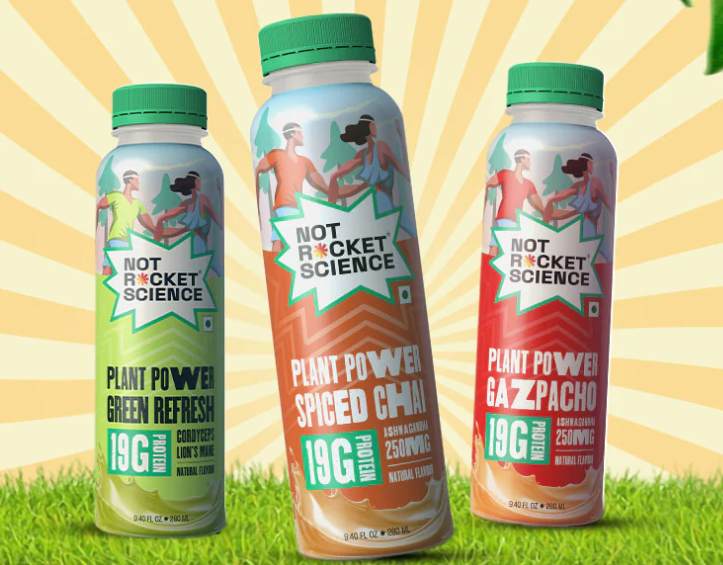
Today, Indian consumers are busier than ever before. Urban households are increasingly characterized by longer working hours, extended commutes, and modern Indian lifestyles where it is becoming more common to live independently and have limited time for daily meals. As a result, working professionals often face constraints in meal preparation due to time limitations and a lack of flexibility. Within this changing environment, many individuals are unable to prepare meals that adequately meet their nutritional needs. This shift in mindset has created space for entirely new consumption formats that have become prevalent. These nutrition formats reflect the increased expectations consumers are placing on companies to provide ready-to-consume nutrition products which meet consumer expectations for convenience, functionality, and health simultaneously. As India grows as a lifestyle economy with more economic opportunity, these types of ready-to-consume nutrition products are a powerful solution to address the demands of today’s way of life. And in this landscape, ready-to-drink nutrition products provide targeted nutrition that supports energy, recovery, and daily performance in convenient formats that fit easily into everyday routines.
Similarly, the rapid growth of functional snacks in India, such as protein bars, energy bites, and other nutrient-rich snacks, is also coinciding with the dramatic increase in snack consumption in India. Snacks developed as nutrition carriers are an evolution of the longstanding practice of snacking in this country. These functional snacks also fit well into busy schedules where consumers want to consume something nutritious between meetings, while travelling or immediately after exercising.
Another important trend in the Indian food industry is the emergence of ready-to-eat meals in new forms that offer consumers healthier options. In the past, ready-to-eat foods were primarily viewed as a convenient but ‘junk’ option; however, today they are being transformed into healthier versions of traditional meals. The trend appears to show that a healthy balanced meal with adequate protein, whole grains and fibre will now be acceptable to those who wish to have quick solutions to meal preparation, but retain nutritional quality. The trend also indicates a maturing marketplace within which consumers expect convenience, yet demand nutritional quality.
Another source of significant growth in the Indian food industry is the amount of innovation occurring in traditional Indian foods. As consumers look to improve their nutrition by adding fortified items to their daily diets, this approach respects cultural food preferences while upgrading the nutritional value of food products and offering one of the widest ranges of mass appeal for food innovation. While the primary driver of innovation in the Indian food space is demographic shifts occurring in urban India, the ongoing development of the Indian food industry continues to be driven by technological advances in the processing and preservation of foods.
Localization of nutrition products will be one of the most important continuing trends. The most successful brands in the ready-to-drink nutrition industry will have two key components: scientific validity along with cultural relevance. Products that meet Indian cultural and ethical standards are expected to provide functional nutrition, which will determine the next phase of growth. Through changing lifestyles, heightened health awareness and increasing need for items convenient to consume, ready-to-consume nutrition will transition from niche to necessary. The ability to meet the needs of consumers and to provide products that consumers can trust and consider a part of their daily life is where the opportunity lies.
This is an unprecedented opportunity for innovators/brands wanting to capture this market segment. It requires thoughtful product design, transparency and a commitment to long term changes to how Indians eat and live. The future of nutrition in India will not be about increased complexity; rather, it will be based on simplicity, meaningfulness, and impact.
The rise of technology and data-driven personalization will continue to drive increased adoption of India’s ready-to-consume nutritional formats. Health and wellness innovations through the proliferation of event technologies, fitness trackers, apps, and health platforms are enabling consumers to have more understanding of their personal nutritional needs leading to greater demand for products formulated for unique goals including weight loss, muscle recovery, immunity enhancement, cognitive function, and metabolic health. The ability to deliver precise formulations, standardized nutrient profiles, and seamless incorporation into daily habits makes Ready to Consume nutritional formats particularly attractive for this growing market. Brands that utilize consumer insight and data analytics to provide consumers with customized solutions will have a competitive advantage as personalization becomes more pervasive.
E-commerce and Direct-to-Consumer distribution methods are critical to the future of this category. By providing a rapid development cycle through quick-commerce, subscription-based delivery, and digital-first brands, new distribution options have lowered the entry barriers to the consumer. Increased access for ready to consume nutritional products is resulting in providing consumers opportunity to compare and discover different nutritional products while providing them with the necessary educational content. As this segment continues to grow, there is sure to be the development of new partnerships and marketing initiatives for large, small, and emerging retailers.
Sustainability will move from a differentiator to a baseline expectation of how the category of ready-to-consume nutrition evolves in India. The increased consumer demand for environmentally responsible practices is contributing to an overall critical view of sourcing, packaging and production methods in the nutrition industry. Companies that emphasise using sustainable ingredients, use recyclable/biodegradable packaging, and develop responsible supply chains will appeal to the younger generations that are driven by value.
In addition to sustainability, affordable pricing will dictate how companies innovate by creating efficiencies while reducing waste and providing nutritional value and access. As the ready-to-consume nutrition industry continues to grow, an evolving regulatory landscape will increasingly require guidelines and standards around labelling, claims of health benefits, fortification and ingredient transparency in order to provide an overall level of safety for consumers in this new product category and develop brand loyalty.
Consequently, brands that seek to establish trust with consumers by taking proactive measures to align with regulatory guidelines and provide clinical validation will have the greatest advantage in creating a long-term history of trust and loyalty in this new category. Thus, scientific-based product innovations along with clear communication will differentiate those brands from the rest of the category within a market where there is a significant amount of misinformation circulating about nutrition. Lastly, in addition to providing convenience to the consumer, the proliferation of ready-to-consume nutrition will not replace traditional Indian methods of preparing food. It is simply evolving to include ingredients ranging from traditional adaptogens like ashwagandha to modern functional compounds—appealing to both modern and traditional consumers. Ultimately, the future of nutrition in India will be shaped by a balance between science, trust, and cultural relevance. As the ready-to-consume nutrition segment continues to expand spanning across ready-to-drink offerings, functional snacks, and ready-to-eat meals, brands which prioritize regulatory alignment, clinical validation, and transparent communication will be best positioned to earn lasting consumer confidence. This evolution does not signal a departure from traditional food practices but rather a thoughtful extension of them, integrating heritage ingredients with modern functional innovations. By respecting tradition while embracing evidence-based progress, ready-to-consume nutrition has the potential to redefine convenience without compromising authenticity, ultimately fostering a more informed, trusting, and health-conscious consumer landscape.